Breast augmentation
A surgical procedure to enlarge the breasts using silicone implants.
What it is
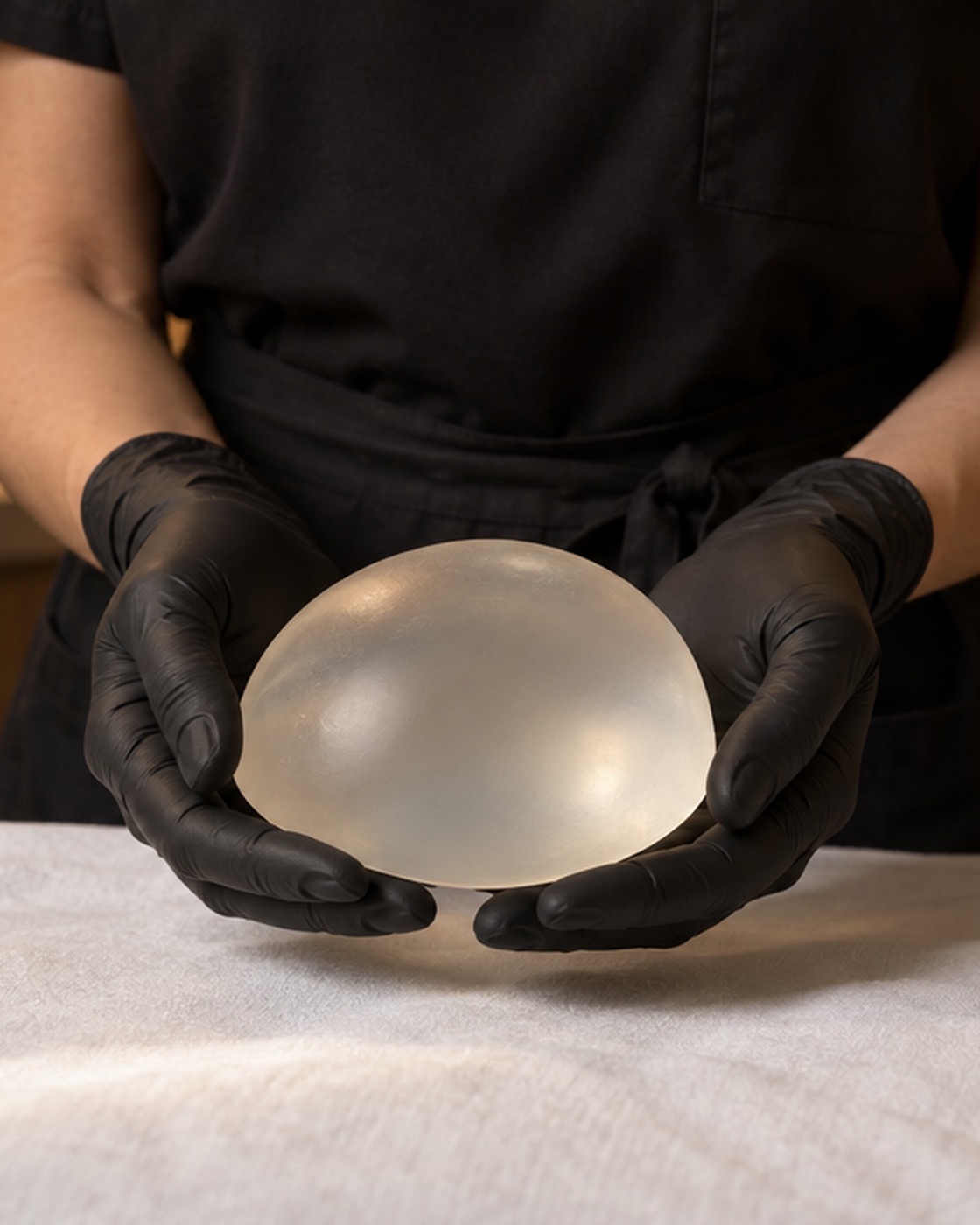
Breast augmentation is the procedure in which the volume of the breasts is increased using a silicone implant. It can be combined with a breast lift (mastopexy) when both enlargement and lifting are desired. Breast enlargement with the patient’s own fat, instead of an implant, is described separately, under lipofilling.
The procedure is performed with Ellman radiofrequency, using atraumatic, “non-touch” techniques, with careful handling of the tissues, so that the incisions are as small as possible. No drainage tubes are used. The incision is made under the breast, in the inframammary fold; the space for the implant is created and a trial implant (sizer) is used first, to check the appropriate size and the symmetry of the breasts, then the definitive implant is inserted and the incision is closed.
The suitable method of breast reshaping is chosen together with the doctor, at the preoperative consultation.
- the wish for greater breast volume
- lifting the breasts together with enlarging them
- breast asymmetry
- other genetic particularities of the breasts
How it works
- 01
Consultation
Expectations, what can be achieved in the individual case, the risks, the preparation and any other questions are discussed.
- 02
Tests
Blood tests are carried out to confirm that the patient’s state of health allows the procedure.
- 03
Preparation
In the weeks before surgery, aspirin and any other anti-inflammatory medicine are avoided, and hydration must be very good.
- 04
The procedure
Through the incision under the breast, the space for the implant is created with Ellman radiofrequency; a trial implant is used to check size and symmetry, then the definitive implant is inserted and the incision is closed. The patient wakes from the anaesthetic in her room.
- 05
Hospital stay
The patient stays in overnight and goes home the next day.
- 06
Recovery at home
A few days of rest, hydration and sleep follow.
Good to know
- The preoperative consultation is the time when the risks and the preparation are discussed in detail, including the emotions associated with having an implant inserted.
- Like any surgical procedure, breast augmentation carries risks: bleeding, infection, capsular contracture, asymmetry or displacement of the implant.
- Scars heal differently from one person to another; after healing, options for scar treatment are offered.
- Implants do not have a predetermined lifespan, but may need replacing after 10–20 years, depending on how they evolve and on the surgeon’s recommendation.
- The final appearance is assessed one year after surgery.
- The results of aesthetic procedures vary from one person to another.
Frequently asked questions
How long does the operation take?
On average between 60 and 120 minutes, under general anaesthesia.
How long does recovery take?
Full recovery takes approximately 6 weeks. The surgical bra must be worn for 6 weeks, and strenuous physical activity is resumed after 6 weeks.
What types of implants are there?
Implants can be round or anatomical (teardrop-shaped) and are made of cohesive silicone gel. The choice is made according to the patient’s morphology, her aesthetic wishes and the surgeon’s recommendation.
Where are the incisions made?
Incisions can be periareolar (at the edge of the areola), inframammary (in the fold under the breast) or axillary. Ellman radiofrequency is used to reduce tissue trauma and the size of the incisions.
How long do implants last?
They do not have a predetermined limited lifespan, but may need replacing after 10–20 years, depending on how they evolve and on the surgeon’s recommendation.
Is breastfeeding possible after breast augmentation?
As a rule, breast augmentation does not affect the ability to breastfeed, depending also on the location of the incision. The subject is discussed at the preoperative consultation.
What are the risks of breast augmentation?
As with any surgical procedure: bleeding, infection, capsular contracture, asymmetry or displacement of the implant.
What is capsular contracture?
It occurs when the scar tissue around the implant thickens and contracts, changing the shape and consistency of the breast. It is the most common complication of breast augmentation and may require further surgery.
Which implants are used?
Silicone gel implants, certified and approved by the European medical authorities (CE marking).
Appointments are made by phone only, Monday to Friday, between 10:00 and 18:00.